

Benefits of Chemical Peel
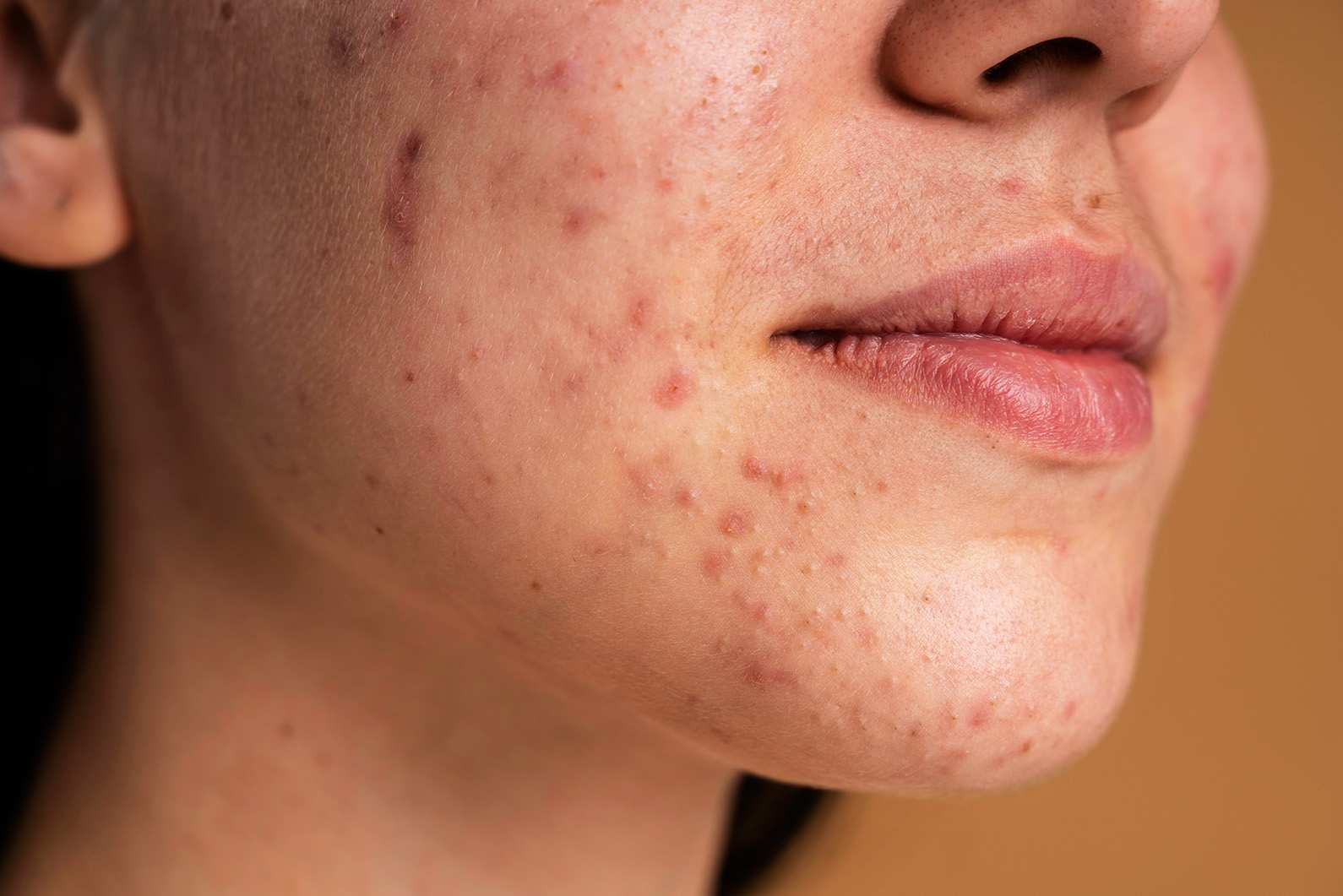
Acne
Heals acne and reduces breakouts by promoting new cell growth.
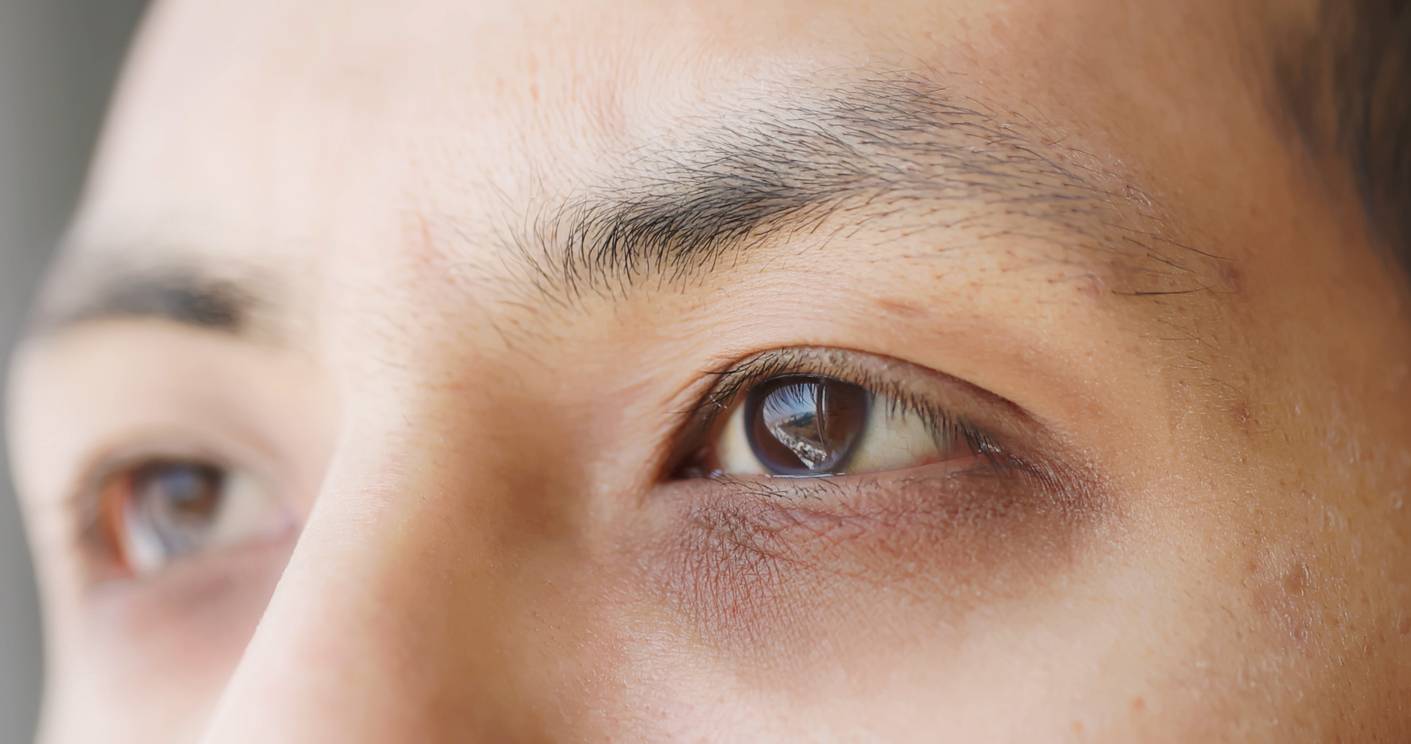
Dark Circles
Reduces the appearance of dark circles that are caused by hyperpigmentation.
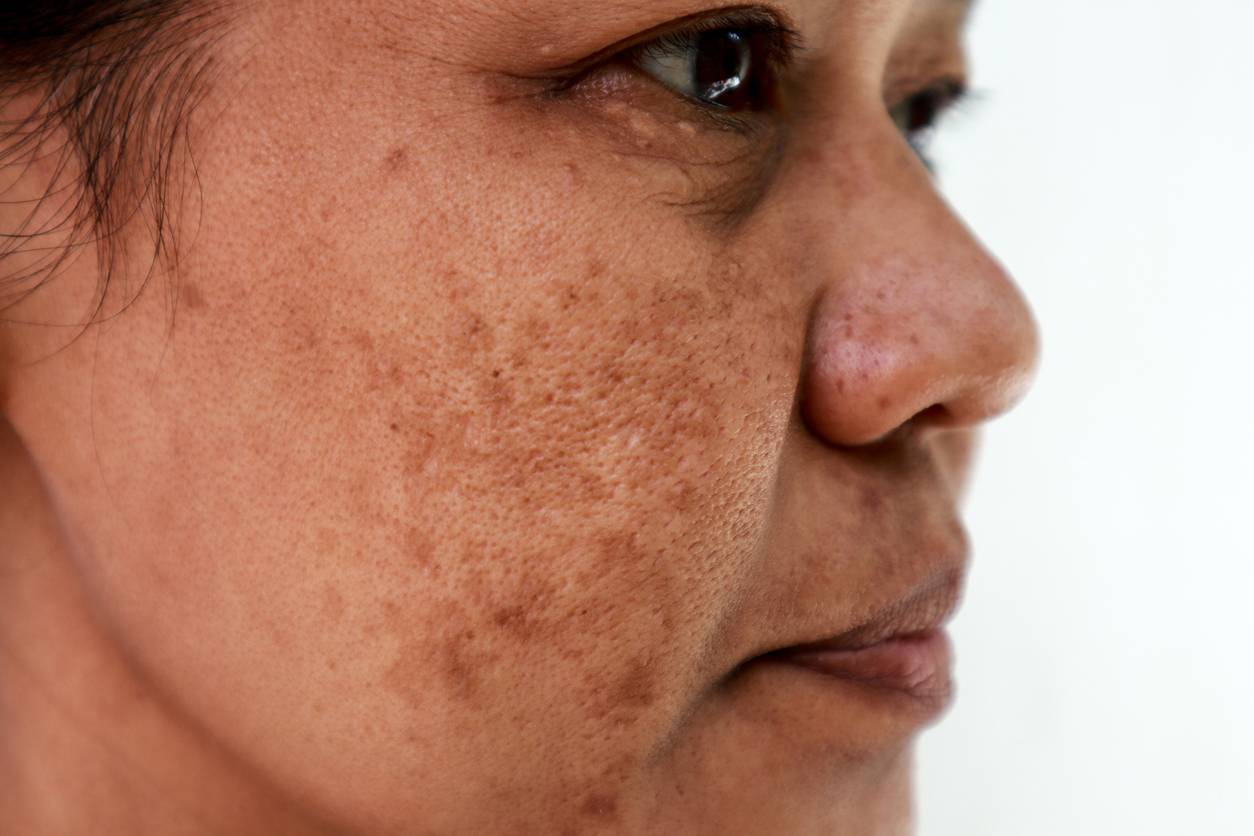
Pigmentation
Reverses sunburn and removes excessive melanin from the skin's surface.
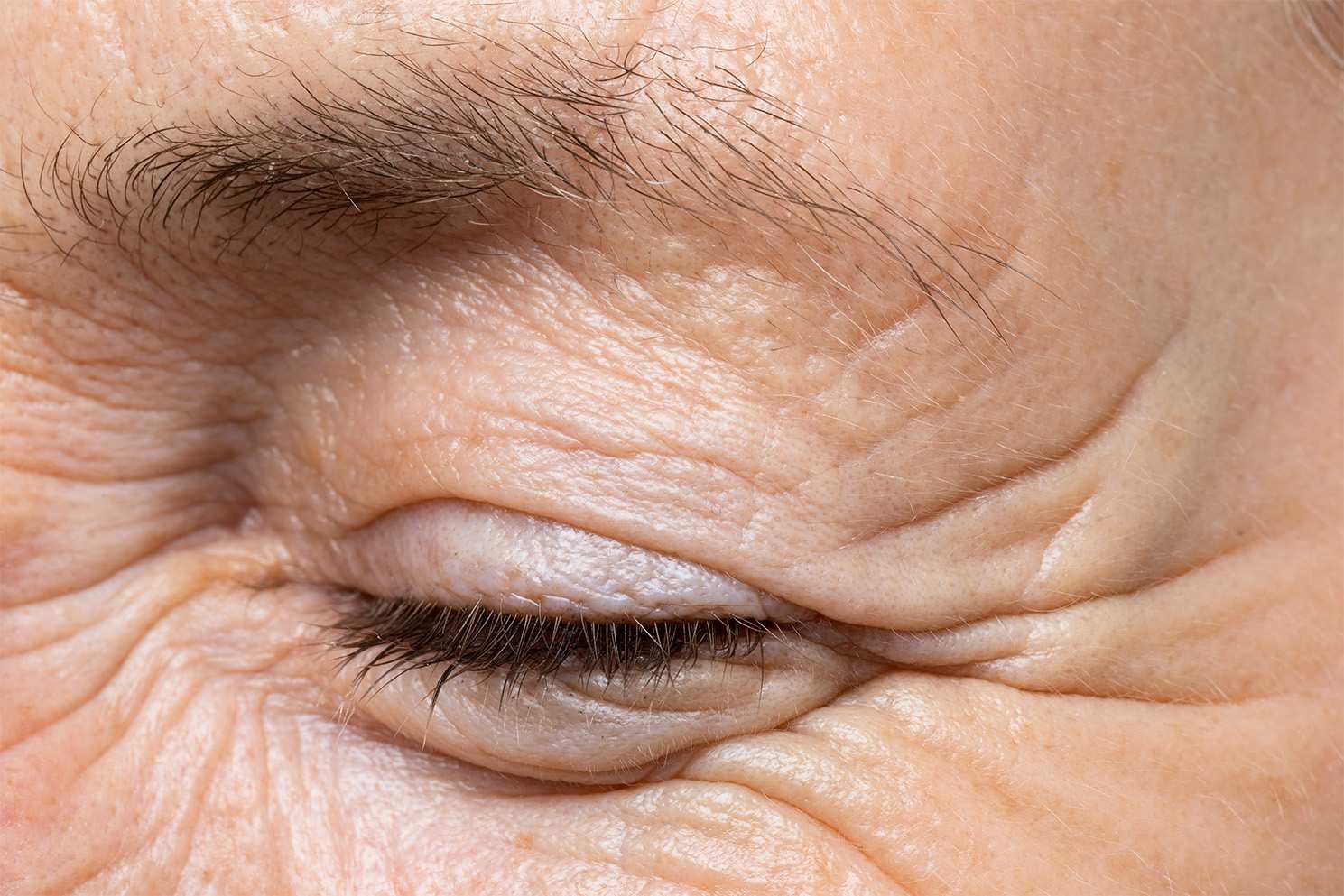
Wrinkles & Fine Lines
Smooths fine lines and wrinkles by boosting collagen production.
How is Chemical Peel done at Akera?
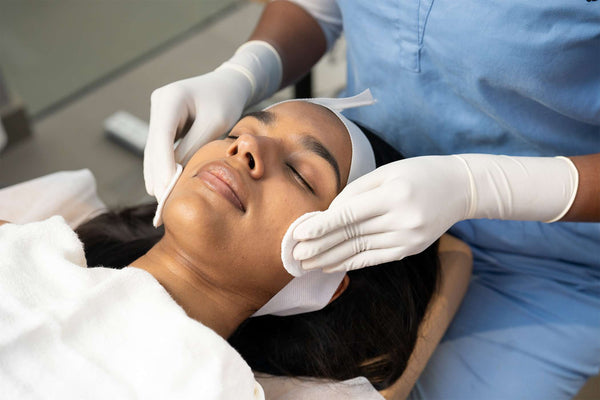
Dirt and excess oil is cleansed to make the skin uniform for the peel to penetrate
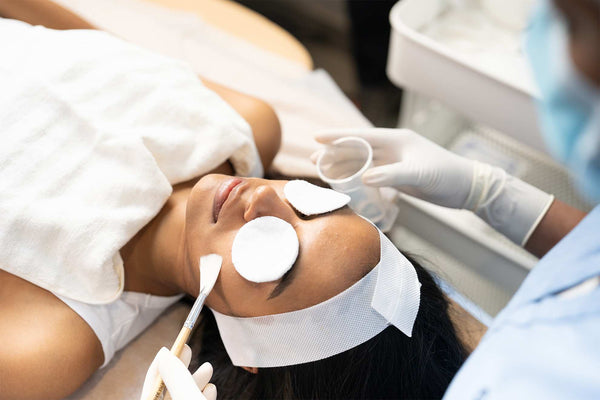
Eyes and other sensitive areas are covered for protection
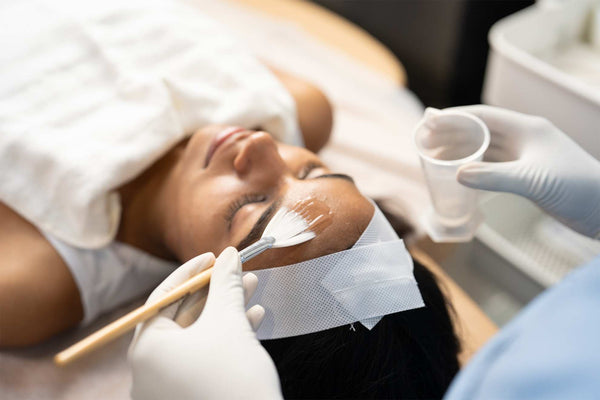
The dermatologist evenly applies the chemical peel
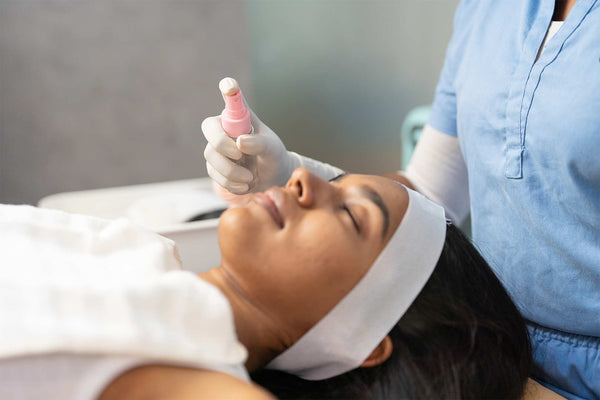
After the set time, the peel is removed using a cotton pad and neutralising spray
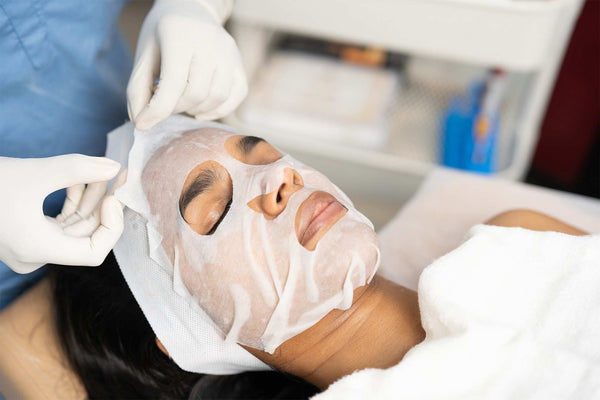
A cold compress is applied to soothe any tingling or burning sensations
Why Choose Akera?
Advanced
Skin Renewal
Brightens
Dull Complexion
Customized
Peel Solutions
Gentle
Exfoliation Process
Minimizes
Fine Lines
Reduces
Acne & Marks
Real People. Real Stories.


See The Transformation


Frequently Asked Questions
- Active acne
- Acne marks / scars
- Pigmentation
- Dull skin
- Completely fine
- Slightly concerned
- Not comfortable
- I want doctor-guided treatment
- I’ve tried home remedies but didn’t work
- Just exploring options
Chemical peels are generally safe for sensitive skin, but it's crucial to consult a dermatologist before undergoing the procedure. Talk to our experts
Chemical peels may cause side effects if your skin type is not suitable or if you have underlying skin conditions. It is essential to undergo the treatment only under the supervision of a dermatologist.
Chemical peels are highly effective for treating melasma. When applied to the affected areas, they not only reduce the appearance of hyperpigmentation but also prevent the buildup of melanin, which contributes to discolouration
After a chemical peel, you may experience some redness and scaling, which typically heals within three to seven days. Deep peels can cause swelling, blisters, and peeling for up to two weeks. This is a normal part of the healing process and will improve with proper post-treatment care.
Healing time for a chemical peel varies with the type of peel used. However, you can see the visible results of the treatment within 7-10 days with proper aftercare.
- Neck
- Back and shoulders
- Thighs
- Hands
- Face
- Around the eyes
- Arms
- Legs
Visit Our Stores
Find us at these convenient locations
HSR Layout
HRBR Layout
Our Clinic


